Blog

  • Creative Content Marketing That Drives Results: Ideas and Examples for Modern Brands

    Creative Content Marketing That Drives Results: Ideas and Examples for Modern Brands

    Content remains king in 2025—but it’s not just about words. Brands get results by mixing formats, targeting intent, and using new technologies to personalize engagement.

    Key Trends

    • Long-Form Guides: In-depth articles build authority and support E-E-A-T.

    • AI-Driven Personalization: Custom recommendations and interactive tools increase time on page.

    • Visual Storytelling: Infographics, videos, and carousels drive more engagement than plain text.

    • Omnichannel Distribution: Content repurposed for email, social, blogs, and even voice assistants.

    Step-By-Step: Content Marketing Workflow

    1. Audience Research

    • Use data analytics to profile your audience.

    • Develop personas capturing goals, pain points, and preferred formats.

    2. Content Planning

    • Plan pillar topics and supporting clusters.

    • Schedule blogs, videos, infographics around key audience questions.

    3. Creation & Design

    • Mix formats—blog posts, guides, step-by-step tutorials, short-form videos, and interactive quizzes.

    • Collaborate with designers; use branding elements for consistent look and feel.

    4. Distribution

    • Share via social, email newsletters, and community platforms.

    • Tailor messaging for each channel—what works on LinkedIn may not work on TikTok.

    5. Measurement & Optimization

    • Monitor traffic, dwell time, shares, and conversions.

    • Update older posts to stay relevant and maintain SEO ranking.

    Examples & Case Studies

    • HubSpot: Built trust with free, long-form content such as eBooks and webinars.

    • Small business: Focused on visual storytelling for product launches, seeing a 200% increase in engagement.

    Statistics & Insights

    • Visual content gets 94% more views.

    • Interactive content generates twice the conversions of static posts.

    • Brands posting regularly generate 67% more leads than those that don’t.

    Final Thoughts

    Creative content marketing in 2025 mixes data, design, and delivery for maximum impact. Brands that invest in diverse formats and personalization earn trust, loyalty, and results on every channel.

  • Social Media Marketing Mastery: Platforms, Strategies, and Trends for 2025

    Social Media Marketing Mastery: Platforms, Strategies, and Trends for 2025

    With billions of active users, social media is the frontline for digital engagement. Current Social Media Marketing Mastery and social trends emphasize authenticity, AI-driven content, and outbound engagement.

    Key Trends of Social Media Marketing

    • Content Experimentation: Short-form video, live streams, and “vibe” posts grab attention.

    • Social Listening: Brands monitor trends and adjust messaging in real-time.

    • Generative AI: Automated responses and creative content generation boosts efficiency.

    • Community and Influencer Marketing: Micro-influencers grow in importance; their audiences trust recommendations more than ads.

    Step-By-Step: Social Media Marketing Strategy

    1. Platform Selection

    • Identify where your Social Media Marketing audience spends time—Instagram for lifestyle, LinkedIn for B2B, TikTok for Gen Z.

    2. Content Planning

    • Utilize trending formats: Reels, Stories, Challenges, Polls.

    • Schedule regular posts, but remain flexible to react to real-time trends.

    3. Engagement

    • Respond to comments and DMs. Host Q&A sessions.

    • Support user-generated content—share customer stories and testimonials.

    4. Paid Campaigns

    • Run targeted ads for specific products, launches, or local promotions.

    • Use retargeting to convert website visitors into followers/customers.

    5. Analytics

    • Track engagement rates, shares, clicks, and conversions.

    • Use insights to refine your content calendar and ad spend.

    Examples & Case Studies

    • Gymshark: Invested in TikTok challenges and influencer partnerships, creating viral campaigns that grew their community.

    • Small local business: Built a loyal following by regularly showcasing customer stories and participating in local online events.

    Statistics & Insights

    • 71% of discovery for Gen Z and Millennials comes through social media.

    • Influencer marketing market expected to reach $32.55 billion in 2025.

    • Engagement rates improve by 53% with video and interactive content.

    Final Thoughts

    To succeed in social media marketing in 2025, brands must be adaptive, relevant, and proactive in engaging their communities, using a blend of organic and paid strategies. Contact Us for our Services.

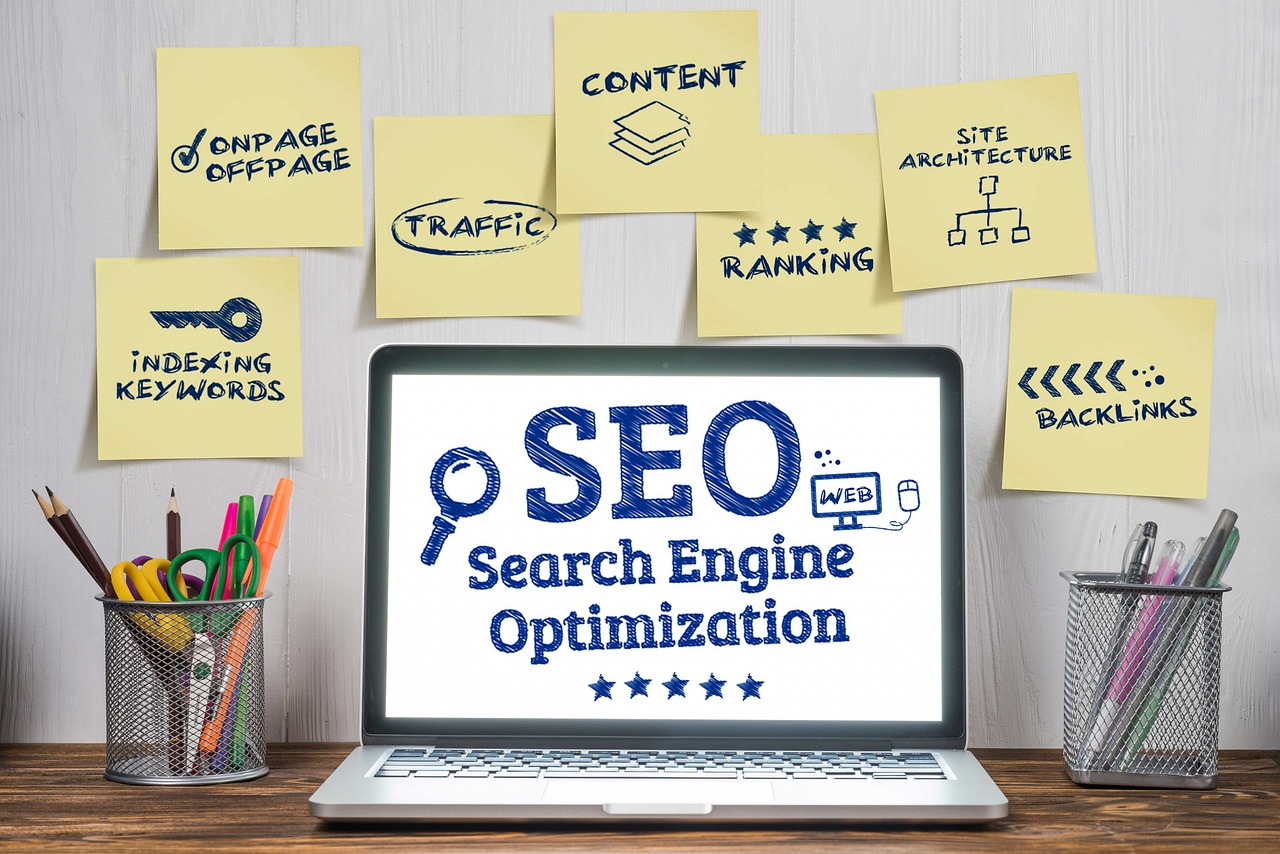
  • SEO Trends for 2025: How Small Businesses Can Win Big

    SEO Trends for 2025: How Small Businesses Can Win Big

    SEO remains a crucial driver of digital visibility, especially for small businesses. From AI-powered tools to evolving search algorithms, 2025’s current SEO trends  is all about human experience and machine intelligence.

    Current SEO Trends

    • AI and Machine Learning: Search engines use advanced AI to interpret user queries, website content, and user experience.

    • E-E-A-T: Google’s focus on Experience, Expertise, Authority, Trust means businesses need credible content, certifications, and honest reviews.

    • Voice and Visual Search: Optimizing for conversational queries and image search is essential.

    • Local SEO: Hyperlocal targeting helps small businesses get discovered in their communities.

    Step-By-Step: SEO Gameplan for Small Businesses

    1. Technical Audit

    • Use tools like SEMrush or Ahrefs to analyze site speed, mobile usability, and crawl errors.

    • Address foundational issues like broken links and poor navigation.

    2. Keyword Research

    • Identify high-value, relevant keywords. Focus on long-tail (e.g., “best vegan cafes in Mumbai”).

    • Integrate natural language and voice search terms.

    3. On-Page Optimization

    • Optimize title tags, meta descriptions, and headings.

    • Use schema markup for local businesses (address, hours).

    4. Content Creation

    • Publish expert guides, how-to articles, and topical clusters.

    • Ensure content showcases expertise and answers user intent.

    5. Link Building

    • Reach out for guest posts, local citations, and partnerships.

    • Build quality over quantity—one trusted link is worth more than ten low-quality links.

    6. Monitoring and Analytics

    • Track rankings, traffic, and conversions.

    • Adjust strategy based on data insights.

    Examples & Case Studies

    • A local bakery: Improved rankings by publishing recipes, optimizing Google My Business, and getting listed in local food directories.

    • A health consultant: Created expert video content and answered audience questions for SEO-rich blog posts.

    Statistics & Insights

    • 53% of website traffic comes from organic search.

    • Businesses with blogs get 67% more leads per month.

    • Pages optimized for voice search see 38% higher engagement.

    Final Thoughts on SEO Trends

    SEO success in 2025 means blending current SEO trends,  technical expertise with genuine, expert content. For small businesses, prioritizing local SEO and high-value content builds both trust and online traffic. Contact us for our Services.

  • Branding in 2025: Building Trust and Value in a Digital World

    Branding in 2025: Building Trust and Value in a Digital World

    Branding in 2025 is vastly different from previous eras. Today’s consumers expect authenticity, a sense of purpose, and a truly personalized experience. With statistics showing that 81% of consumers need to trust a brand before making a purchase, the importance of building and maintaining brand trust has never been higher.

    Key Trends

    • Personalization and AI: Advanced AI tools enable brands to deliver tailored messages at scale. Personalized experiences are not just an option—they’re an expectation.

    • Sustainability and Social Responsibility: Over 93% of global consumers desire to live sustainably, and brands addressing ESG topics see huge loyalty.

    • Storytelling and Emotional Branding: 68% of buyers say brand stories influence purchases. Brands need to show their human side across every channel.

    • Inclusivity: Consumers, especially younger generations, value brands that recognize diversity and representation.

    Step-By-Step: Building a Modern Brand

    1. Define Your Core Values.

    • Survey customers, stakeholders, and reflect internally. What does your brand stand for? Is it sustainability, innovation, inclusion, or reliability?

    2. Create Your Brand Story.

    • Develop a clear, compelling narrative that your audience can relate to. Brands like Nike excel due to rich storytelling—think “Just Do It”.

    3. Visual Identity.

    • Design a logo and style guide. With 55% of first impressions visual, clarity and coherence are crucial.

    4. Digital Presence.

    • Build a website and social profiles reflecting your brand’s personality. Over 77% of shoppers are more likely to buy from brands they follow on social media.

    5. Consistency Across Channels.

    • All messaging, visuals, and tone must be consistent. 60% of companies reported that being consistent in branding added 20% more growth to their brand.

    Examples & Case Studies

    • Patagonia: Purpose-driven, environmentally conscious, and authentic. Their campaigns directly engage with issues that matter to their audience.

    • Glossier: Built a loyal community through social media listening, authenticity, and influencer partnerships.

    Statistics & Insights

    • 81% of consumers trust a brand before purchasing.

    • 57% prefer buying from brands they feel connected to.

    • 45% will stop buying from brands not sharing their values.

    Final Thoughts

    Branding isn’t just about colors and slogans—it’s about values, connection, and trust. For 2025, brands must embrace personalization, sustainability, and authenticity across every touchpoint.

  • Why Content Creation and Marketing Are Important for Brands

    Why Content Creation and Marketing Are Important for Brands

    In today’s competitive digital landscape, content creation and marketing have become essential pillars for building a strong brand voice and achieving marketing goals. Whether you are a startup, SME, or established business, delivering consistent, valuable content is key to connecting with your audience, enhancing brand recognition, and driving meaningful results.

    Defining Your Brand Voice Through Content

    Your brand voice is the unique personality and tone that resonates through every piece of communication. Content creation allows you to:

    • Express your brand’s values and mission in a relatable way
    • Build emotional connections with your audience that foster trust and loyalty
    • Create consistency across all platforms—from social media posts to blogs to emails
    • Differentiate your brand from competitors by highlighting your unique perspective

    By crafting clear, authentic content, you make your brand memorable and instantly recognizable, which is crucial for long-term success.

    How Content Marketing Drives Marketing Goals

    1. Boosts Brand Awareness
      • Regularly publishing valuable content increases your visibility online.
      • SEO-optimized blogs, videos, and social posts help your brand show up in search results and social feeds.
    2. Generates Leads and Conversions
      • Well-crafted content educates prospects, answers their questions, and nurtures them down the sales funnel.
      • Effective calls-to-action (CTAs) within content guide users toward making a purchase or inquiry.
    3. Enhances Customer Engagement
      • Interactive and insightful content invites comments, shares, and discussions, building a vibrant community.
      • Engagement strengthens customer relationships and encourages repeat business.
    4. Supports Long-Term Growth
      • Evergreen content continues to attract traffic and leads over time.
      • Content marketing offers a higher ROI than many traditional advertising channels.

    The Synergy of Content Creation and Marketing

    Content creation is the foundation—producing engaging blogs, videos, infographics, and social media posts. Content marketing is the strategy that ensures this content reaches the right audience at the right time through channels like email, SEO, paid ads, and social sharing.

    Together, they:

    • Build a consistent narrative aligned with your brand strategy
    • Adapt to audience feedback and changing market trends
    • Establish your business as a thought leader and trusted resource

    Why Businesses Need to Prioritize Content Creation Today

    • Consumers increasingly rely on online content to make purchasing decisions.
    • High-quality, relevant content drives Google‘s ranking factors and improves SEO.
    • Modern marketing demands authenticity—brands that tell compelling stories win loyalty.
    • Content empowers other marketing efforts, such as social media, advertising, and influencer collaborations.

    Final Thoughts

    Content creation and marketing are not just marketing tasks; they are strategic imperatives for shaping your brand voice and achieving meaningful business goals. Investing in consistent, audience-focused content builds trust, drives sales, and positions your brand for sustainable success in the digital world.

  • Social Commerce: How to Drive Sales Directly from Social Media

    Social Commerce: How to Drive Sales Directly from Social Media

    In this Digital era, social commerce is not just a trend—it is a primary sales channel for brands and businesses worldwide. With billions of users engaging daily on platforms like Instagram, Facebook, TikTok, and WhatsApp, the ability to sell seamlessly within social apps has transformed the e-commerce landscape. Here is how you can harness social commerce to drive real sales directly from social media.

    What Is Social Commerce?

    Social commerce refers to the entire customer journey—product discovery, engagement, checkout, and even post-purchase support—happening inside social media platforms. No more redirecting users to external websites. Instead, social networks now offer shoppable posts, in-app checkout, live shopping events, and more.

    Why Brands Cannot Ignore Social Commerce

    • Fewer barriers: Customers buy products without ever leaving their favourite social app.
    • Higher engagement: Visual content, influencer endorsements, and community features encourage shoppers to interact and share.
    • Personalization: Platforms use AI to deliver products tailored to each user’s interests and behaviours.
    • Trust-building: Reviews, user-generated content, and direct messages enhance credibility and boost conversion rates.

    Key Strategies to Drive Sales with Social Commerce

    1. Optimize Your Social Shop
    • Set up storefronts on Facebook, Instagram, and WhatsApp.
    • Use high-quality images, compelling copy, and detailed product descriptions.
    • Make checkout as fast and seamless as possible.
    1. Leverage Influencer Marketing
    • Collaborate with influencers and micro-influencers to promote products in authentic ways.
    • Use affiliate programs or trackable links to measure impact.
    1. Host Live Shopping Events
    • Stream live product demos and Q&As to engage your audience in real time.
    • Offer limited-time deals or exclusive bundles for viewers.
    1. Harness User-Generated Content (UGC)
    • Encourage customers to share photos or videos using your products.
    • Feature UGC in your own posts and stories—this acts as powerful social proof.
    1. Use Social Ads with Direct Checkout or CTA
    • Run targeted ad campaigns with integrated “shop now” buttons linking to in-app checkout or product pages.
    • Take advantage of retargeting tools to re-engage potential buyers who interacted with your content.
    1. Engage in Conversational Commerce
    • Use chatbots and messaging to answer questions, provide recommendations, and guide users through buying decisions right within the app.

    Best Platforms for Social Commerce in 2025

    Platform Key Features Audience Strength
    Instagram Shoppable posts, stories, reels, in-app checkout Visual & lifestyle-focused
    Facebook Shops, groups, Messenger, integrated checkout Wide-ranging demography
    TikTok Shoppable ads, live shopping, creator store Younger, trend-driven crowd
    WhatsApp Catalogs, messaging, in-chat purchases Direct, personalized selling
    Pinterest Buyable pins, shop tab, inspiration boards DIY, style & discovery focus


    Pro Tips for Maximizing Social Commerce Results

    • Regularly analyze platform analytics to refine your approach.
    • Test different types of content (short videos, influencer unboxings, flash sales).
    • Maintain fast, friendly customer support both pre- and post-purchase.
    • Always respect data privacy and obtain clear consent for direct messaging campaigns.

    Conclusion

    Social commerce allows brands and businesses to meet customers where they spend the most time—social platforms. By creating a seamless, personalized, and interactive shopping experience, you can transform likes and follows into real revenue growth. Start building your social shop today for a competitive edge in the digital marketplace.

  • Top 5 Tools for Content Creation

    Top 5 Tools for Content Creation

    In today’s digital world, content is everything — whether you are a marketer, influencer, or small business owner. But great content requires great tools. From designing visuals to generating voiceovers and music, here are five powerful content creation tools that cater to various aspects of digital content production, plus a bonus tool to elevate your workflow even further.

    1.Canva — Your Visual Design Companion
    Canva is a game-changer for non-designers. With drag-and-drop simplicity, thousands of templates, and access to stock photos, videos, and fonts, Canva makes it easy to create stunning graphics, social media posts, presentations, and more — even if you have never touched Photoshop.

    2.Renderforest — Videos, Logos, and Websites in Minutes
    Need an eye-catching video intro, a quick logo, or even a basic website? Renderforest lets you do it all. It is an all-in-one branding platform that is perfect for creating promotional content, explainer videos, or animated visuals without complex editing software.

    3.ElevenLabs — Realistic AI Voiceovers
    Want your content to talk? ElevenLabs offers hyper-realistic AI-generated voices that sound natural and expressive. It is ideal for podcasts, video narration, audiobooks, or dubbing, with multilingual support and cloning features for personal or brand voices.

    1. Suno — AI-Generated Music Magic
      Suno is revolutionizing music creation by letting you generate original songs using text prompts. Whether you need background scores, brand jingles, or full tracks for your content, Suno helps you compose without needing any music production skills.
    2. Perplexity — AI-Powered Research Assistant
      Perplexity is more than a search engine — it is your content research assistant. It delivers clear, concise, and well-sourced answers, helping you gather data, insights, or topic ideas in seconds. Great for content writers, bloggers, and researchers alike.

    🔹Bonus: Leonardo.AI — Art Meets Imagination
    Leonardo.AI empowers creators to produce breathtaking AI-generated artwork, concept art, and illustrations. From storyboards to game assets, it is the go-to tool for turning wild ideas into visually striking reality.

    The content creation landscape is evolving fast, and these tools are leading the charge. Whether you are crafting videos, visuals, audio, or text, integrating these platforms into your workflow will save time, boost quality, and supercharge creativity. These tools collectively cover a broad spectrum of content creation needs — from graphic design and video production to audio narration and AI-generated writing — making them essential assets for modern content creators aiming to produce high-quality, engaging content with ease and speed.

  • AI in Digital Marketing: Personalization, Automation & Future Trends

    AI in Digital Marketing: Personalization, Automation & Future Trends

    Artificial Intelligence (AI) has moved from being a futuristic buzzword to a central pillar of digital marketing. From content personalization to automating everyday tasks, AI is not only changing how businesses reach their audiences—it is also shaping the very expectations consumers have from brands in 2025. If you are a marketing consultant or freelancer, harnessing AI could be the key to delivering greater value, driving results, and future-proofing your services.

    The Power of AI-driven Personalization

    Personalization has evolved far beyond basic email “Hello, [Name]!” greetings. AI lets brands:

    • Analyse large-scale customer data (behaviour, preferences, location, browsing history)
    • Deliver hyper-personalized experiences across websites, emails, ads, and even chat
    • Serve dynamic content tailored to individual users in real time

    Example: E-commerce brands use AI to recommend products based on past purchases and real-time browsing—boosting sales and increasing customer satisfaction. Social media ads now use AI to automatically adjust creatives and copy to match specific buyer personas.

    Marketing Automation: Smarter and Faster

    AI is transforming mundane marketing tasks into intelligent, automated workflows. This trend saves time and unlocks new growth for both consultants and clients:

    • Smart scheduling: Tools analyse audience activity to post at optimal times.
    • Automated ad optimization: AI platforms adjust bids, creatives, and budget allocations in real time for maximum ROI.
    • Chatbots and virtual assistants: AI-powered bots engage website visitors, answer FAQs, and qualify leads 24/7, freeing up time for high-value work.

    For Freelancers: Automation means less manual work tracking leads and managing campaigns, and more time spent on strategy and creative solutions.

    Future Trends: Where Is AI in Digital Marketing Headed?

    1. Generative Content & Synthetic Media

    AI can now write blogs, generate images, edit videos, and create music. By 2026, experts expect most digital content to be at least partly AI-assisted. Embrace AI writing and visual tools to enhance creativity and stay ahead of the competition.

    1. Predictive Analytics and Hyper-targeted Marketing

    AI does not just react—it predicts. Platforms will forecast which customers are likely to convert, segment audiences automatically, and recommend the right touchpoints in the customer journey.

    1. Voice and Visual Search

    More users are searching using voice assistants and cameras. Optimizing content and websites for voice queries and visual recognition is increasingly essential for visibility on emerging platforms.

    1. Ethical AI and Data Privacy

    With greater automation comes greater scrutiny. Brands that prioritize transparent data usage, AI ethics, and customer privacy will stand out and build deeper trust in the years ahead.

    Takeaway: How Should Consultants and Freelancers Adapt?

    • Upskill in AI tools. Embrace platforms that automate and personalize your workflow.
    • Advise clients on AI’s benefits, but always keep the human touch in digital experiences.
    • Stay current with new AI-driven marketing trends and regulations.
    • Prioritize ethics and privacy in every AI-powered initiative.

    Whether you are guiding a client’s strategy or building your own brand, AI can amplify your impact—if used thoughtfully and creatively.

  • WordPress Themes and Starter Templates for Website Designing.

    WordPress Themes and Starter Templates for Website Designing.

    When building a website on WordPress, you will often come across terms like themes and starter templates. Though they might sound similar, they serve different purposes and understanding their differences can help you build your site more effectively. Let us explore what each one means and how they differ.

    What is a WordPress Theme?

    A WordPress theme is the backbone of your website. It is a comprehensive package that controls your site’s overall design, layout, and functionality. When you install a theme, you are setting the look and feel for the entire website. This includes global elements such as:

    • Colors and fonts
    • Headers and footers
    • Sidebars and menus
    • Page layouts and styles
    • Basic features and functionality

    Themes ensure consistency throughout your site, making sure every page and post looks cohesive. They provide the foundation on which your content lives, shaping the user experience and visual identity of your site.

    What is a Starter Template?

    Starter templates, sometimes known as starter sites or demo sites, are pre-designed layouts or mini websites that you can import into your WordPress installation with just a few clicks. They are typically tailored for specific industries or purposes — such as portfolios, business websites, blogs, or online stores.

    The key points about starter templates are:

    • They offer ready-made page designs to speed up the website creation process.
    • They can include multiple pages styled to match a particular niche or aesthetic.
    • They often work together with themes and page builders like Elementor, Beaver Builder, or Gutenberg.
    • After import, you can customize these templates to suit your brand and needs.

    How Are Themes and Starter Templates Different?

    Press enter or click to view image in full size

    Feature WordPress Themes Starter Templates
    Scope Entire website’s design and core functionality Specific page or complete site layouts
    Purpose Foundation and consistent visual identity Quick setup with ready-made designs
    Customization Level Controls styles and functionality globally Customizable imported layouts within a theme
    Usage Relation Installed to theme the whole site Used alongside themes and page builders

    When to Use Themes and When to Use Starter Templates?

    If you are starting from scratch, choosing the right theme is crucial because it defines the overall architecture and features of your website. Themes create a cohesive, branded experience for visitors.

    Once you have your theme selected, or if your theme supports it, you can browse and import starter templates. Starter templates save you valuable time by providing professional designs that you can tweak without building pages from the ground up.

    Conclusion

    Both WordPress themes and starter templates play vital roles in website development. Themes are the foundation that shapes your entire site’s design and functionality, while starter templates provide quick-launch solutions to build beautiful pages faster.

    Understanding the difference will help you leverage both effectively to create stunning, functional WordPress websites in less time. Whether you want complete control with a custom theme or rapid deployment with starter templates, WordPress has options to suit your needs.

  • Digital Marketing Freelancers and Consultants For Businesses

    Digital Marketing Freelancers and Consultants For Businesses

    In today’s rapidly evolving marketplace, the expertise of digital marketing freelancers and consultants has become invaluable for brands and businesses looking to grow, innovate, and stay competitive. Unlike large agencies, freelancers and consultants offer agility, personalized strategies, and cost-effective solutions—making them an asset for businesses of all sizes.

    Why Choose a Freelancer or Consultant for Digital Marketing?

    1. Flexible, Customized Strategies

    Freelancers and consultants do not use a “one-size-fits-all” approach. They closely analyze each brand’s unique needs and goals, tailoring solutions that deliver measurable results. This includes:

    • Creating bespoke branding and positioning strategies
    • Developing targeted campaigns for specific audiences
    • Adapting techniques quickly as trends and algorithms change
    1. Deep Expertise—Without the Overhead

    Most experienced digital marketing freelancers and consultants have specialized skills in:

    • SEO: Boosting website visibility and organic search rankings
    • Content Creation: Producing high-impact blogs, videos, and social content
    • Social Media Marketing: Building and engaging communities that drive loyalty
    • Paid Ads Management: Running effective campaigns on platforms like Facebook, Instagram, and Google
      Clients get direct access to this expertise—without paying for agency overhead or unnecessary add-ons.
    1. Speed and Personal Attention

    Working with a freelancer or consultant means direct communication and faster execution. This ensures:

    • Quick response to market shifts, competitor moves, or breaking news
    • Faster campaign launches and real-time optimization
    • Personalized support and transparent reporting—you always know what’s working

    Practical Ways Freelancers & Consultants Grow Your Brand

    • Brand Storytelling: Craft compelling narratives that connect emotionally and build trust across channels.
    • Website Design & Optimization: Design or revamp websites to be user-friendly, mobile-optimized, and conversion-focused.
    • Advanced Analytics: Use data to refine campaigns, uncover new opportunities, and eliminate wasted spend.
    • Trend Integration: Experiment with new tools—like AI-driven marketing, influencer outreach, or viral content formats—to keep your brand relevant and ahead of the curve.

    Ideal for Startups, SMEs, and Scaling Brands

    Freelancers and consultants are especially valuable for:

    • Startups needing fast, affordable brand launches
    • SMEs wanting to scale efficiently
    • Established brands seeking fresh perspectives or to test new channels without large commitments

    Conclusion

    Partnering with a digital marketing freelancer or consultant empowers brands to tap into niche expertise, creativity, and innovative problem-solving—all while maintaining flexibility and cost control. Whether you want to strengthen your brand, improve online visibility, or launch powerful campaigns, the right freelance marketer can move your business forward.